WPC 2025: Executives see slow recovery amid challenges
By Rob Westervelt, Chemical Week
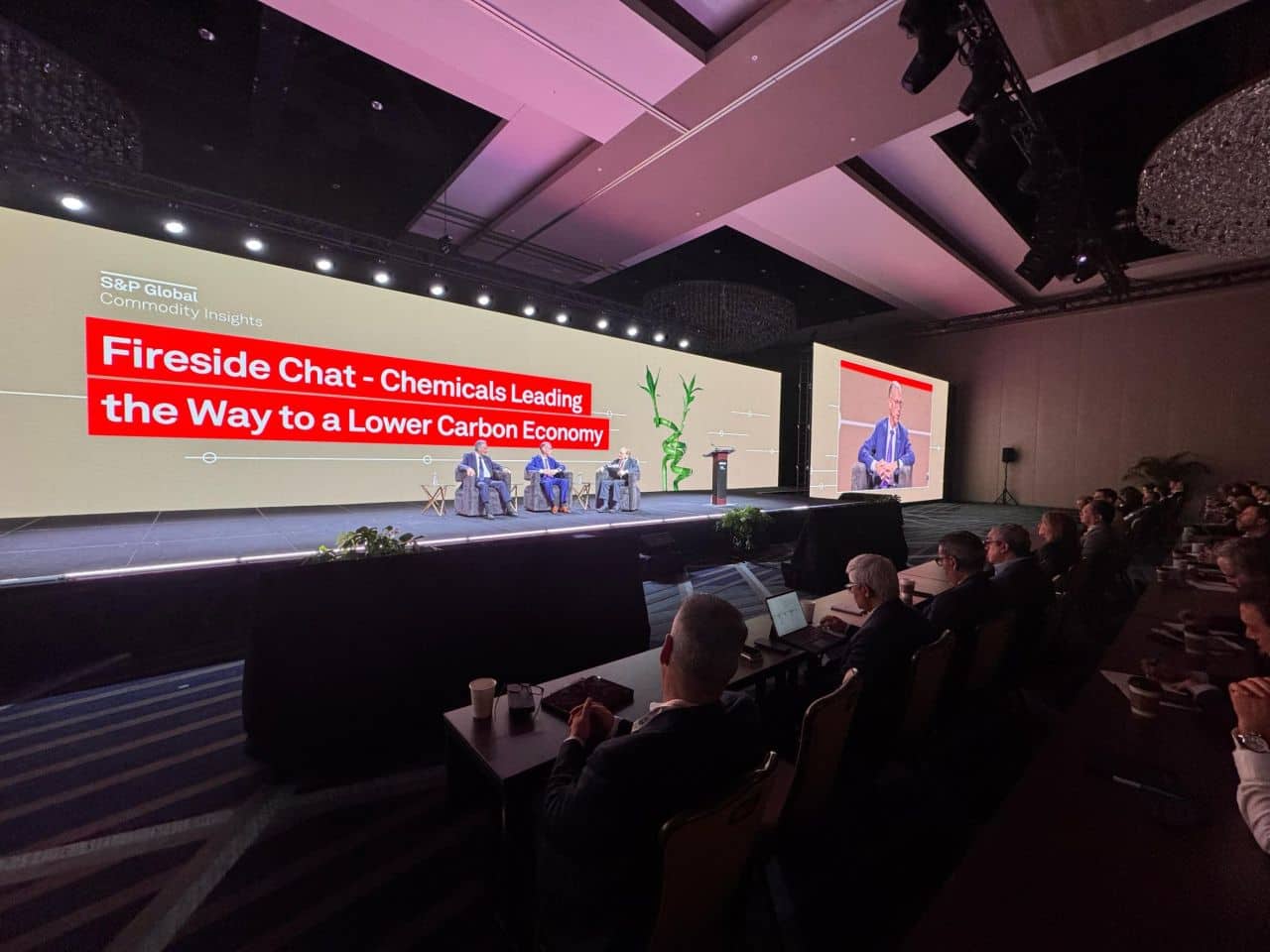
The global chemical industry faces market challenges through at least 2026 as it works through significant overcapacity, particularly from China’s massive capacity expansion, according to senior industry executives speaking at the 40th World Petrochemical Conference (WPC) in Houston March 17-21.
"How long it takes to work off the oversupply is a major topic of discussion," said Mark Eramo, co-president of S&P Global Commodity Insights in an interview at the conference. "It could be end of ‘26, early ‘27 before we really start to come out of it, and it’s going to take both idling and maybe shutting down capacity and sustained continued growth of the global economy to get us out of this."
The current downturn represents one of the longest troughs in decades, according to Dow Chairman and CEO Jim Fitterling.
"A typical trough would last 24 months; three years is a relatively long trough," Fitterling said in an interview. "We’ve only had four periods where we’ve had this long a trough since the 1970s. The driver of weakness here is sustained below-3% global GDP."
Fitterling noted a two-speed economy, with some sectors showing resilience while others face significant headwinds.
"The services sector, electronics, semiconductors, and things related to the power and utilities industry are doing well. Even automotive is still holding up relatively well," Fitterling noted. However, housing-related demand remains weak across most global regions due to high interest rates and inflation.
European producers face particularly acute challenges due to high energy costs stemming from the Russia-Ukraine war and the push toward higher-cost green energy alternatives. The combination of high crude oil prices, naphtha-based production costs and elevated energy expenses has pushed European producers to the high end of the global cost curve.
"Europe is challenged, and maybe I’m being kind there," Eramo said. "The energy structure in Europe has left its downstream industries, refining and chemicals, in a noncompetitive position. And that’s dangerous to be in a market that is oversupplied."
Rising geopolitical tensions have broadened uncertainties that chemical producers must consider when evaluating investments, according to conference speakers.
"The one way that others know they can hurt the United States, as a result of the experience we had with the pandemic, [is] the disruption of supply chains," said Carlos Pascual, senior vice president of geopolitics and international affairs at S&P Global.
Ilham Kadri, CEO of Syensqo SA, emphasized that uncertainty impedes business planning. "What’s more difficult to handle is the stop-and-go. ... This is where the market gets a bit anxious, not knowing where to go and what the next thing will be."
As supply chain logistics form a greater part of chemical companies’ strategic planning, "right-shoring" strategies should take the place of nearshoring or farshoring, Bob Patel, former CEO of LyondellBasell and W.R. Grace, said in a panel discussion March 18.
While shifting geopolitics and tariff threats have made nearshoring to an extent "inevitable," said Peter Huntsman, CEO of Huntsman, during the same panel discussion, others on the panel noted that in an industry with long and complex value chains, placing the right elements of logistics in the right place requires better strategic thinking.
This approach requires flexible supply chains that can swiftly respond to fluctuations in demand and unforeseen challenges.
However, Patel added that transitioning from current export-oriented dynamics in China, for example, remains a challenge for the chemical industry.
"The chemical industry continues to create opportunities and adapt during disruptive periods," Huntsman said.
Despite the challenges, some companies are pushing ahead with major projects, which benefit from cost advantages. ChevronPhillips Chemical said its planned new crackers in the US and Qatar are set to start up next year.
"2025 is looking a lot like the last year, which would say that you have demand growth, especially in the US, but a tough margin environment, and [it is] tough to get the types of returns you’re looking for," said Steve Prusak, CEO of CPChem in an interview.
Looking ahead, industry leaders see potential growth opportunities in emerging markets, though timing remains uncertain. "Africa will certainly be prominent in the next 40 years," said Patel. "But in the next five years? It is difficult to tell."
For the latest news about the chemical industry, visit chemweek.com.